What Foreign Authorities Actually Check When They Receive an Attested Indian Certificate

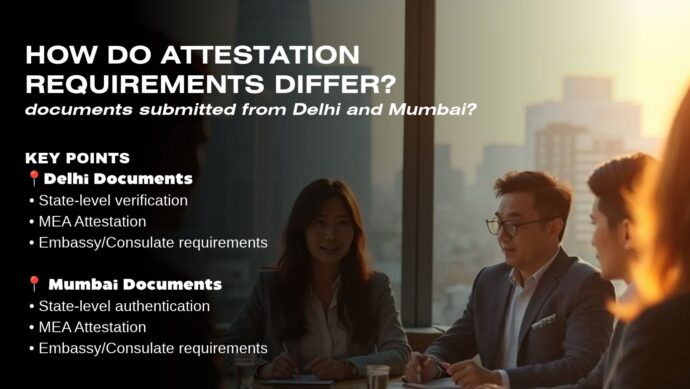
When an Indian certificate is submitted for use in another country, many people assume that an attestation stamp is enough. However, foreign authorities may look beyond the final stamp or seal. They may examine the document, its authentication history, issuing institution, and whether the certificate meets the requirements of the destination country.
Understanding these checks can help applicants avoid delays and prepare their documents correctly. With professional support from Talent Overseas, applicants can better understand the document authentication process and complete the required formalities.
1. They Check Whether the Certificate Is Genuine
The first concern of a foreign authority is whether the certificate is authentic. A degree, diploma, birth certificate, marriage certificate, or other document must have been genuinely issued by the stated authority.
Depending on the document and destination country, verification may involve checking information with the university, educational board, government department, or another issuing authority. This is one reason document verification is an important part of international document processing.
2. They Examine the Authentication Chain
An attested certificate normally passes through a series of authentication steps before it reaches a foreign authority. These steps can vary depending on the document type and destination country.
Authorities may check whether the required signatures, stamps, seals, or authentication marks are present and whether they were issued by the appropriate authority.
The purpose is not simply to see a stamp. The complete authentication chain helps establish that the document has been processed through the required official channels.
3. They Check Names and Personal Details
Small differences in personal information can sometimes create problems. Foreign authorities may compare the name, date of birth, institution name, certificate number, course details, and other information shown on the certificate with supporting documents.
For example, differences in spelling between a passport and educational certificate may require clarification or additional documentation. Applicants should therefore review their documents carefully before starting the authentication process.
4. They Look at the Issuing Institution
A foreign authority may also need to establish where the certificate came from. For an educational document, this could mean identifying the university, college, board, or other educational institution responsible for issuing it.
In some cases, the institution may have changed its name, merged with another institution, moved its administration, or changed its verification procedure. Such situations can make verification more detailed. This is why accurate institutional information is important when preparing documents for overseas use.
5. They Check Whether the Document Meets Local Requirements
Every country can have its own document acceptance rules. Some authorities may require specific forms of authentication, legalization, apostille, translation, or additional verification.
An attested Indian certificate does not automatically mean that every foreign organization will accept it for every purpose. The final requirements depend on the country, authority, document type, and reason for submission. Applicants should therefore understand the requirements of the specific destination before beginning the process.
6. They May Verify the Purpose of the Document
The same certificate can be used for different purposes, such as employment, higher education, immigration, professional registration, family-related procedures, or business requirements. The receiving organization may therefore check whether the document is appropriate for the particular application.
For example, an employer may need an educational certificate to confirm qualifications, while an immigration authority may require documents for a completely different purpose.
7. They Check for Signs of Alteration
Foreign authorities may also pay attention to whether a document appears to have been changed, damaged, overwritten, or modified. Information such as seals, signatures, photographs, certificate numbers, dates, and printed details may be examined as part of document verification.
A document that looks unusual or contains inconsistencies may require additional clarification before it can be accepted.
8. Why Professional Attestation Support Matters
International document processing can involve several authorities and different requirements. Missing one step can result in delays, additional paperwork, or the need to restart part of the process.
Professional Attestation Services In Mumbai can help applicants understand the documentation and authentication requirements applicable to their destination country. Similarly, people handling documents from or through Chennai can seek Attestation Services In Chennai to manage the required formalities more efficiently.
At Talent Overseas, the focus is on helping applicants understand the document attestation process and prepare their certificates according to the applicable requirements. Professional assistance can be particularly useful when documents require multiple stages of verification.
Conclusion
When a foreign authority receives an attested Indian certificate, it may check much more than the final stamp. Authenticity, authentication history, personal details, issuing institution, document condition, and destination-country requirements can all be important.
The key point is simple: attestation is part of a larger document authentication process. Preparing the certificate correctly from the beginning can reduce avoidable delays and make the process smoother.
Whether you are preparing documents for employment, education, immigration, or another international purpose, understanding what foreign authorities may check can help you approach the process with greater confidence. With the right guidance from Talent Overseas, applicants can better manage their document attestation requirements for overseas use.