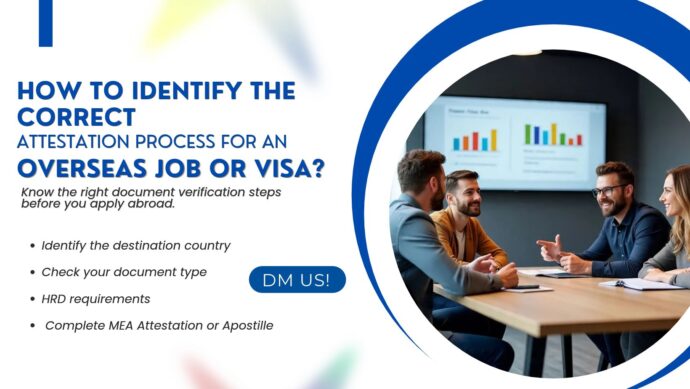
How Can You Identify the Correct Attestation Process for an Overseas Job or Visa?
Planning to work or apply for a visa in another country involves several important document requirements. Among them, certificate attestation is often an essential step for verifying the authenticity of educational, personal, and professional documents. However, the attestation process can differ depending on the destination country, document type, purpose of travel, and the authority requesting the documents.
Understanding the correct process before submitting your certificates can help you prepare your documents properly and complete the required formalities smoothly.
Understand the Purpose of Your Documents
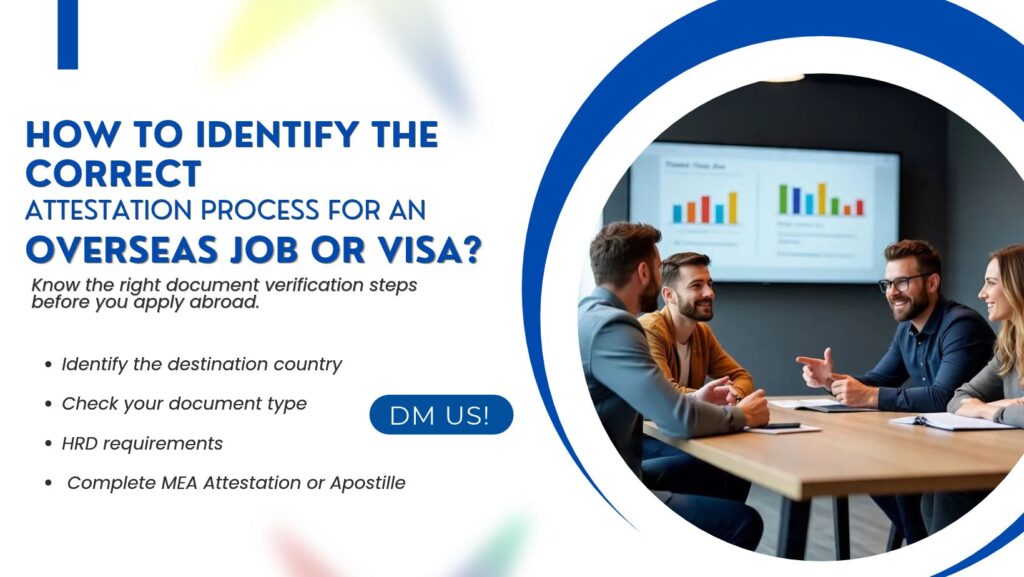
The first step is to identify why you need your documents attested. Overseas employment, higher education, family visas, business purposes, and immigration applications may have different document requirements.
For example, an employer may request an attested degree certificate to verify your educational qualification, while a family visa application may require an attested marriage or birth certificate. Therefore, the purpose of your application should be clear before beginning the process.
Check the Requirements of the Destination Country
Every destination country can have its own document authentication requirements. Some countries may require a series of authentication steps in India followed by embassy or consular attestation. Other destinations may accept an apostille when applicable.
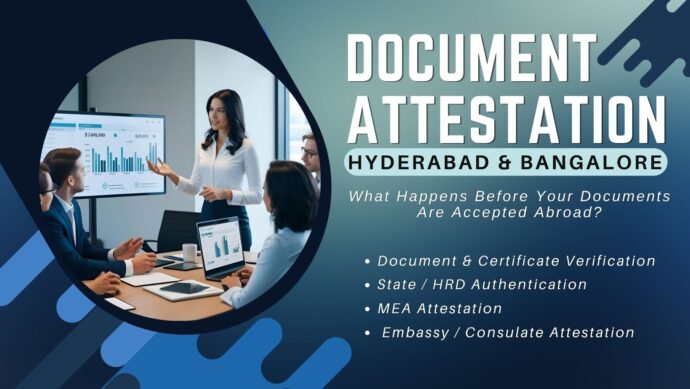
Before starting, check the latest requirements provided by the relevant embassy, consulate, employer, university, or immigration authority. This helps you understand whether your document requires state-level authentication, Ministry of External Affairs (MEA) attestation, embassy attestation, or another form of legalization.
Identify the Type of Certificate
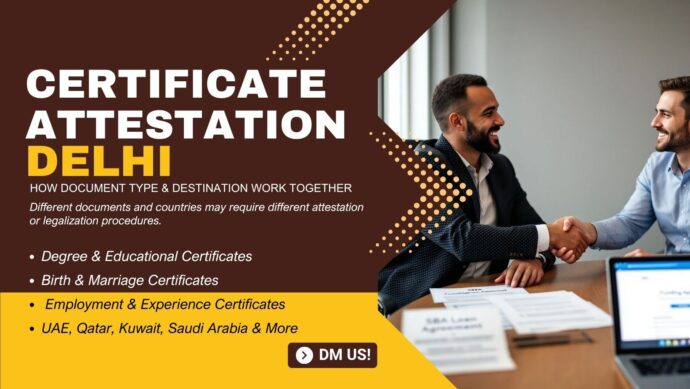
The document category is another important factor. Educational certificates, personal documents, and commercial documents can follow different procedures.
Educational documents may include:
- Degree certificates
- Diploma certificates
- Mark sheets
- School certificates
- Professional qualification certificates
Personal documents may include:
- Birth certificates
- Marriage certificates
- Affidavits
- Police clearance documents
- Other personal records
Knowing the document category helps determine which authorities may need to authenticate it before overseas submission.
Understand Apostille and Embassy Attestation
One of the most common areas of confusion is the difference between apostille and embassy attestation.
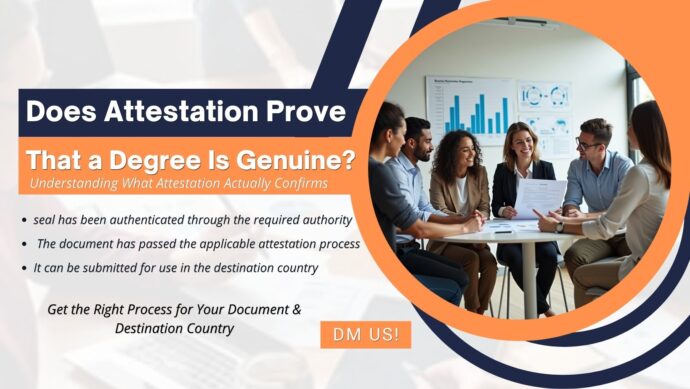
An apostille is generally used for documents intended for countries that participate in the Hague Apostille Convention. It provides international authentication through a standardized certificate or stamp.
Embassy or consular attestation may be required when the destination country’s procedures call for additional authentication. Depending on the country and purpose, documents may first need verification by appropriate Indian authorities before being submitted for embassy attestation.
The correct route should always be based on the destination country’s current requirements rather than assuming that the same procedure applies everywhere.
Verify State-Level Requirements
The issuing state, university, board, or authority can also influence the preliminary authentication process. Educational certificates, for instance, may require verification through the appropriate department or authority before further authentication.
This is particularly important when your certificate was issued in one state but you currently live or work in another. The location of the document issuer and the requirements of the destination country should both be considered while planning the process.
Take Professional Guidance When Required
Certificate attestation involves multiple authorities and document checks, so professional assistance can make the process easier to understand. An experienced Certificate Attestation Agency In Delhi can help applicants identify the documentation requirements based on their destination country and purpose.
Similarly, individuals living or working in Maharashtra can consult a Certificate Attestation Agency In Mumbai for guidance regarding document preparation, authentication requirements, and submission procedures.
Professional assistance can be particularly useful when you have multiple certificates or when the destination country’s requirements involve several authentication stages.
Prepare Your Documents Carefully
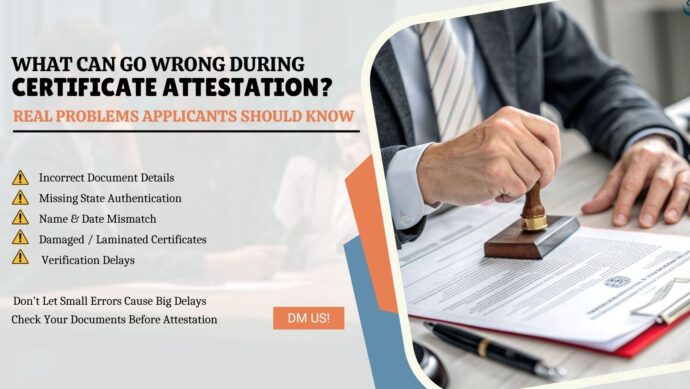
Once you understand the required process, prepare the documents according to the applicable guidelines. Check names, dates, certificate numbers, signatures, seals, and other important details before submission.
Keep original certificates and the required supporting documents ready. Depending on the service and destination, you may also need identification documents, passport copies, photographs, authorization letters, or other supporting paperwork.
Proper preparation helps maintain an organized attestation process.
Confirm Requirements Before Submission
Requirements can change based on government procedures, embassy rules, visa categories, and the purpose of travel. Therefore, it is advisable to confirm the current requirements before submitting your certificates.
If an overseas employer or visa authority has provided a specific document checklist, use it as the primary reference. Compare that checklist with the attestation requirements applicable to your destination country.
How Talent Attestation Can Help
Talent Attestation provides professional assistance for individuals who need certificate authentication and attestation for overseas purposes. The team can help applicants understand the applicable process for educational and personal documents based on their intended destination and purpose.
Whether you are preparing documents for an overseas job, employment visa, family visa, education, or another international requirement, having a clear document plan can make the process more organized.
Conclusion
Identifying the correct attestation process begins with understanding your purpose, destination country, document type, and the authentication requirements applicable to your case. Apostille, embassy attestation, and preliminary authentication can have different roles depending on the destination and document.
Before starting the process, verify the latest requirements and prepare all supporting documents carefully. With proper guidance and an organized approach, applicants can move through the certificate attestation process with greater clarity and confidence when preparing documents for an overseas job or visa.