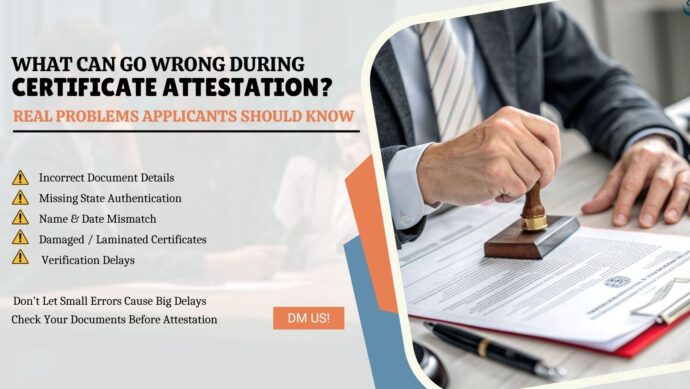
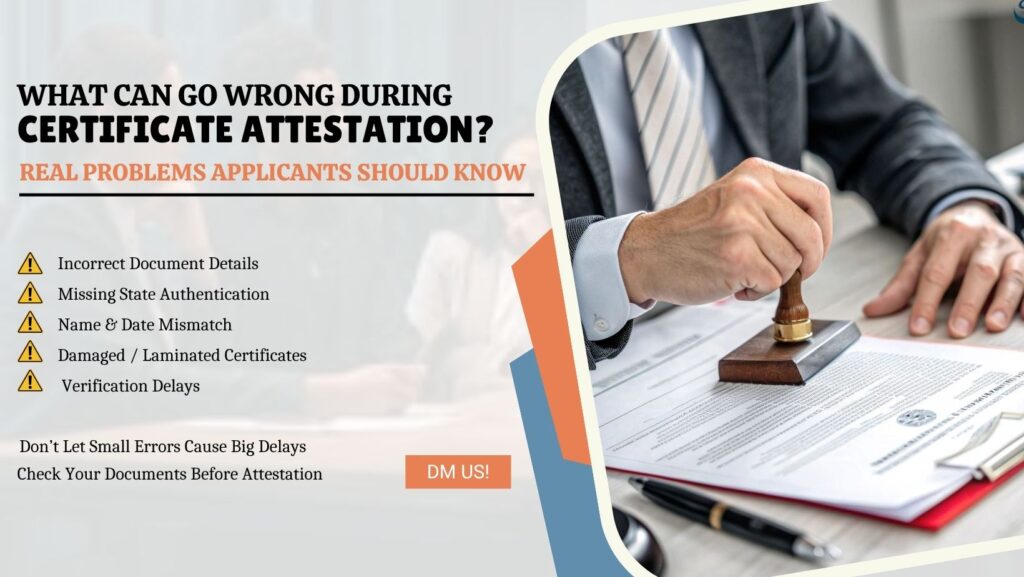
What Can Go Wrong During Certificate Attestation? Real Problems Applicants Should Know
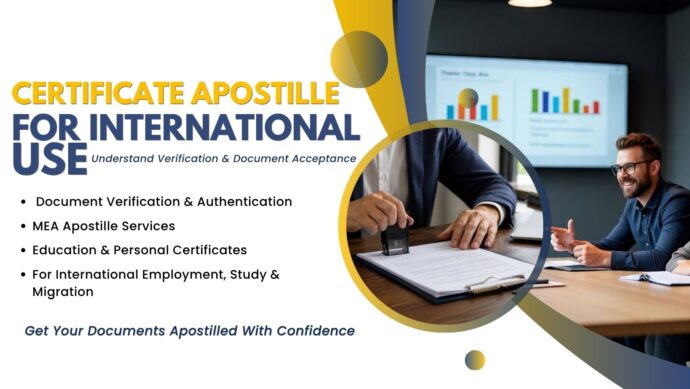
Certificate attestation is an important step when documents need to be submitted for employment, education, immigration, family relocation, or other purposes abroad. Many applicants assume the process is simply about getting a stamp or signature on a certificate. In reality, several checks and formalities may be involved before a document is accepted by the concerned authority.
Even a small mistake can lead to delays, additional costs, or the need to repeat part of the process. Understanding common problems beforehand can help applicants prepare their documents correctly and avoid unnecessary complications.
1. Incorrect or Incomplete Documents
One of the most common problems is submitting a document that does not meet the required format or condition. Missing pages, damaged certificates, unclear copies, incorrect details, or incomplete supporting documents can create issues during verification.
Applicants should carefully check their certificates before submission. Names, dates, registration numbers, and other important details should match the relevant records.
2. Differences in Personal Details
A small difference in a name can become a significant issue during document verification. For example, the spelling on a passport may differ from the spelling on a degree certificate. Differences in initials, surname, date of birth, or other personal information may also require clarification.
Before starting the process, applicants should compare their important documents and identify inconsistencies. Resolving such issues early can reduce the possibility of delays.
3. Problems With Educational Verification
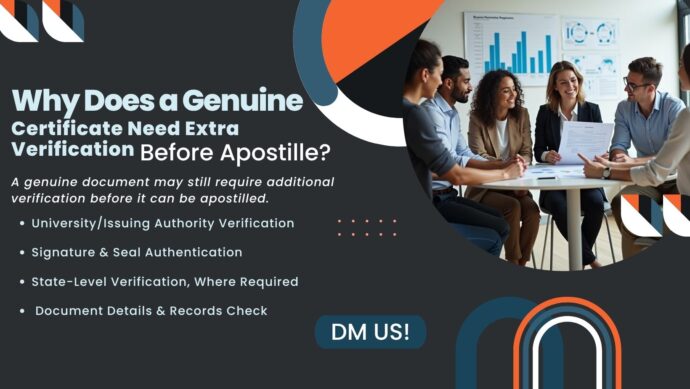
Educational certificates may need verification from the appropriate educational authority before further attestation stages. If the institution’s records cannot be confirmed, the process may take longer.
This can happen when an applicant has studied at an institution that has changed its name, merged with another institution, relocated, or has older records that are difficult to access. Applicants should keep relevant academic information available in case verification requires additional details.
4. Choosing the Wrong Legalisation Route
Not every document follows exactly the same procedure. The requirements can depend on the destination country, document type, purpose, and instructions of the receiving authority.
For some destinations, an apostille may be relevant, while other situations can require additional embassy or consular legalisation. Starting with the wrong procedure may result in wasted time and expenses.
This is why applicants looking for Certificate Attestation in Mumbai should first understand the document requirements for their destination instead of relying only on a general checklist.
5. Delays Due to Missing Supporting Documents
Sometimes the certificate itself is correct, but the application is delayed because supporting documents are missing. Depending on the purpose, applicants may need identification documents, passport copies, authorization letters, or other supporting paperwork.
The exact requirements can vary, so preparing a complete document set before submission is important.
6. Damaged, Laminated, or Poor-Quality Certificates
The physical condition of a certificate can sometimes create practical difficulties. Torn pages, fading text, water damage, excessive lamination, or unclear printing may make verification more complicated.
Applicants should avoid altering certificates and should seek guidance when the original document is damaged or difficult to read. Submitting poor-quality documents without checking their acceptability can result in unnecessary delays.
7. Verification Taking Longer Than Expected
Document verification does not always happen at the same speed. Authorities may need additional time to confirm records, contact institutions, or examine information provided by the applicant.
This becomes particularly important when someone has a fixed joining date, university deadline, visa appointment, or travel schedule. Starting the attestation process well in advance gives applicants more time to handle unexpected delays.
For applicants arranging Certificate Attestation in Chennai, planning ahead can be especially useful when several stages are involved before the document reaches the final authority.
8. Errors in the Application Details
Mistakes in application forms can also cause problems. Incorrect passport numbers, names, addresses, document details, or contact information may require corrections before processing continues.
Applicants should review every field carefully rather than assuming that minor errors will automatically be corrected by the processing agency.
9. Last-Minute Requirements
Another issue applicants may face is discovering an additional requirement after the process has already started. Requirements can differ depending on the destination country’s rules and the purpose for which the certificate is being used.
A professional service provider such as Talent Overseas can help applicants understand the documentation requirements and identify potential issues before submission. However, applicants should always confirm that the final documents meet the requirements of the authority receiving them.
How Applicants Can Reduce These Problems
The best way to avoid attestation-related complications is to prepare before submitting the documents. Applicants should:
- Check names and personal details across important documents.
- Keep original certificates and clear copies ready.
- Confirm the required legalisation route for the destination country.
- Check whether educational or other records require verification.
- Prepare supporting documents in advance.
- Avoid making unauthorised changes to certificates.
- Start the process early if there is a fixed deadline.
- Review application information carefully before submission.
Conclusion
Certificate attestation can become complicated when document details, verification records, supporting paperwork, or destination-specific requirements do not match. These problems are often avoidable when applicants understand the process and check their documents carefully before submission.
Whether the documents are being prepared in Mumbai, Chennai, or another city, proper planning can make the overall process more organised. With guidance from an experienced service provider like Talent Overseas, applicants can identify common documentation issues early and move forward with greater clarity and confidence.