Certificate Apostille for International Use: Understanding Verification and Document Acceptance
When a certificate is issued in one country and needs to be used in another, foreign authorities may require proof that the document is genuine. This is where an apostille becomes important. An apostille is a form of authentication used between countries that are members of the Hague Apostille Convention. It helps the receiving authority confirm that the signature, seal, or stamp on a public document is authentic.
However, getting an apostille is not simply about adding a sticker or stamp to a certificate. The document may need to pass through verification and authentication procedures before it can be accepted internationally. Understanding these steps can help applicants avoid delays and prepare their documents correctly.
Why Certificate Verification Matters Before Apostille
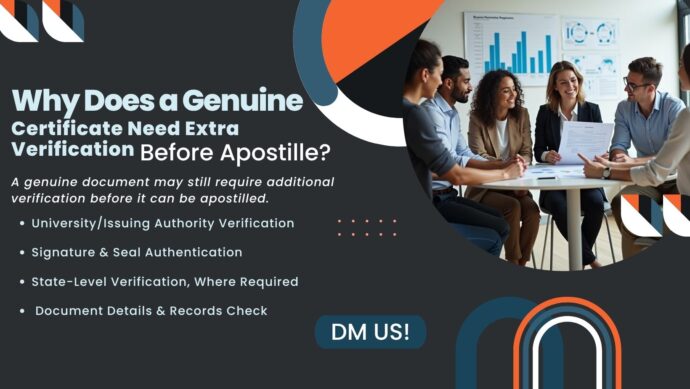
Before an apostille can be issued, the certificate generally needs to meet the authentication requirements of the issuing country. Authorities may need to establish that the document was genuinely issued by the relevant institution or authority.
For educational certificates, this can involve checking details such as:
Name of the certificate holder
Issuing institution or authority
Signature and official seal
Certificate number or registration details
Whether the document meets the required format
Verification is important because foreign authorities need confidence that the document has not been altered or falsely issued. If there is a problem with the original certificate, the authentication process may take longer or require additional documentation.
What Does an Apostille Actually Confirm?
A common misunderstanding is that an apostille confirms every piece of information written on a certificate. In most cases, an apostille primarily authenticates the origin of the public document, including the authenticity of the signature, the capacity in which the person signing acted, and the identity of the seal or stamp.
It does not normally mean that the foreign authority has independently confirmed every academic, personal, or professional claim contained in the document. This distinction is important when preparing documents for international employment, higher education, migration, business, or other overseas purposes.
When Is an Apostilled Certificate Accepted Abroad?
Document acceptance depends on the requirements of the destination country and the purpose for which the certificate is being submitted. Countries that participate in the Hague Apostille system generally use apostilles as a simplified method of document authentication.
For example, a person applying for overseas employment may need an authenticated educational certificate to demonstrate their qualifications. Someone applying for education abroad may need academic documents accepted by a university or government authority. In such situations, Certificate Apostille in Hyderabad can be relevant for applicants who are preparing Indian certificates for use in a Hague Convention country. The exact procedure can depend on the document type and the authority that issued it.
Apostille Does Not Always Mean Automatic Acceptance
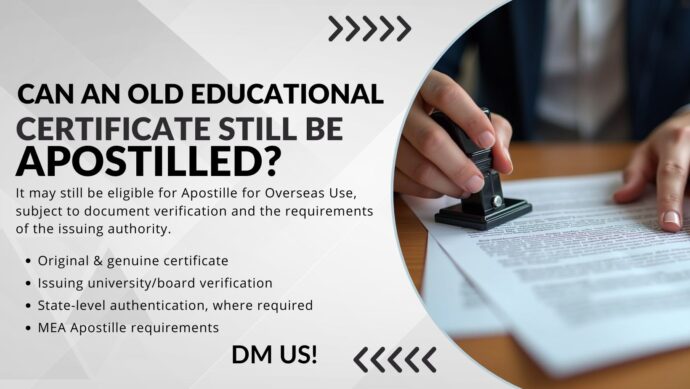
An apostilled certificate may still need to satisfy additional requirements of the receiving organization. The apostille confirms the authenticity of the document’s signature, seal, or stamp, but the foreign institution may have its own rules concerning translations, validity periods, document formats, or supporting paperwork.
Some organizations may also ask for:
Certified translations
Original certificates
Copies of identification documents
Additional educational records
Application forms or supporting letters
Therefore, applicants should always check the requirements of the foreign university, employer, government department, or other receiving authority before beginning the process.
Common Reasons for Document Rejection
Even genuine certificates can face problems during international document processing. Incorrect information, damaged documents, mismatched names, unclear seals, or missing verification can create complications.
Another common issue is assuming that every certificate follows the same authentication route. Educational, personal, and commercial documents can have different requirements depending on their origin and intended use.
Applicants should carefully review their documents before submission and confirm whether any additional verification is required.
Preparing Your Certificate for International Use
Proper preparation can make the authentication process more straightforward. Start by identifying the destination country and the exact purpose of the document. Next, check whether that country accepts an apostille or requires another form of legalization. It is also useful to verify the condition and accuracy of the original certificate. Names, dates, signatures, and other important details should be consistent with supporting documents.
Professional assistance can be helpful when the procedure involves multiple authorities or when the applicant is unfamiliar with international document requirements. Talent Overseas provides guidance for individuals who need support with document authentication and overseas documentation procedures.
Apostille and International Employment
Employers and professional authorities may request authenticated certificates when qualifications obtained overseas need to be assessed. An apostilled document can provide an additional level of confidence regarding its official origin.
For applicants preparing documents from Karnataka, understanding the requirements for Certificate Apostille in Bangalore can help ensure that certificates are prepared according to the applicable authentication procedure before being submitted abroad. The purpose of apostille is not simply administrative. It creates a recognized authentication framework that helps public documents move between participating countries with fewer legalization steps.
Final Thoughts
International document acceptance depends on more than possessing an original certificate. Verification, authentication, apostille requirements, translation rules, and the policies of the receiving organization can all influence whether a document is accepted.
Understanding these requirements before submission can reduce avoidable delays and document-related problems. Whether the certificate is needed for employment, education, migration, or another international purpose, careful preparation is an important part of successful document processing. With the right information and professional guidance from organizations such as Talent Overseas, applicants can approach the apostille process with greater clarity and confidence.